
Port Neches, TX (409) 727-1122


Port Neches, TX (409) 727-1122
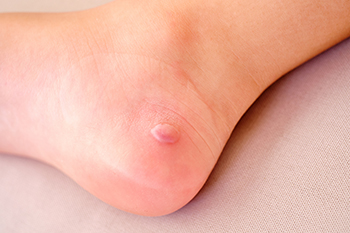
Diabetic foot blisters are fluid-filled areas that develop on diabetic skin. Some result from shoe friction, while others may be diabetic bullae that appear without an obvious injury. Diabetic blisters are often painless and may occur on the feet or lower legs. Symptoms can include clear fluid, raised skin, or tenderness. Because diabetes can slow healing, even a small blister deserves careful attention.
People with longstanding diabetes may have a higher risk of developing diabetic blisters. High blood sugar levels can damage nerves and blood vessels over time. This damage can reduce sensation and affect circulation, making foot problems easier to miss. Other risk factors include diabetic neuropathy, kidney disease, or repeated friction from footwear. Wearing poorly fitting shoes can also create pressure that leads to ordinary blisters. Regular foot checks are important when sensation is reduced.
A podiatrist will examine the blister and skin to determine its likely cause. The evaluation may include circulation and sensation testing. The skin is checked for changes or infection. If the blister is intact, the podiatrist may recommend protecting it rather than opening it. If drainage is necessary, it can be performed by a podiatrist. Treatment may include protective dressings, footwear changes, and monitoring in a safe and sterile environment with proper wound care. If an infection is present, medical treatment may be needed. Blood sugar management also supports normal wound healing.
Popping a blister yourself is not recommended as it increases risk of infection. Keep the area clean and protected, and check your feet for changes. Contact a podiatrist if you notice increasing redness, drainage, or worsening pain. A podiatrist can help protect the skin and reduce the risk of complications. If you have diabetes and have developed foot blisters, it is suggested that you are under the care of a podiatrist who can help you to manage this serious condition.
Blisters are prone to making everyday activities extremely uncomfortable. If your feet are hurting, contact one of our doctors of Texas. Our doctors can provide the care you need to keep you pain-free and on your feet.
Foot Blisters
Foot blisters develop as a result of constantly wearing tight or ill-fitting footwear. This happens due to the constant rubbing from the shoe, which can often lead to pain.
What Are Foot Blisters?
A foot blister is a small fluid-filled pocket that forms on the upper-most layer of the skin. Blisters are filled with clear fluid and can lead to blood drainage or pus if the area becomes infected.
How Do Blisters Form?
Blisters on the feet are often the result of constant friction of skin and material, usually by shoe rubbing. Walking in sandals, boots, or shoes that don’t fit properly for long periods of time can result in a blister. Having consistent foot moisture and humidity can easily lead to blister formation.
Prevention & Treatment
It is important to properly care for the affected area in order to prevent infection and ease the pain. Do not lance the blister and use a Band-Aid to provide pain relief. Also, be sure to keep your feet dry and wear proper fitting shoes. If you see blood or pus in a blister, seek assistance from a podiatrist.
If you have any questions, please feel free to contact our office located in Port Neches, TX . We offer the newest diagnostic and treatment technologies for all your foot care needs.




 accessibility - Default