
Port Neches, TX (409) 727-1122


Port Neches, TX (409) 727-1122
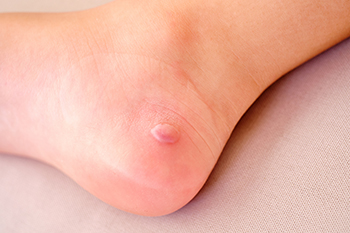
Diabetic foot blisters are fluid-filled areas that develop on diabetic skin. Some result from shoe friction, while others may be diabetic bullae that appear without an obvious injury. Diabetic blisters are often painless and may occur on the feet or lower legs. Symptoms can include clear fluid, raised skin, or tenderness. Because diabetes can slow healing, even a small blister deserves careful attention.
People with longstanding diabetes may have a higher risk of developing diabetic blisters. High blood sugar levels can damage nerves and blood vessels over time. This damage can reduce sensation and affect circulation, making foot problems easier to miss. Other risk factors include diabetic neuropathy, kidney disease, or repeated friction from footwear. Wearing poorly fitting shoes can also create pressure that leads to ordinary blisters. Regular foot checks are important when sensation is reduced.
A podiatrist will examine the blister and skin to determine its likely cause. The evaluation may include circulation and sensation testing. The skin is checked for changes or infection. If the blister is intact, the podiatrist may recommend protecting it rather than opening it. If drainage is necessary, it can be performed by a podiatrist. Treatment may include protective dressings, footwear changes, and monitoring in a safe and sterile environment with proper wound care. If an infection is present, medical treatment may be needed. Blood sugar management also supports normal wound healing.
Popping a blister yourself is not recommended as it increases risk of infection. Keep the area clean and protected, and check your feet for changes. Contact a podiatrist if you notice increasing redness, drainage, or worsening pain. A podiatrist can help protect the skin and reduce the risk of complications. If you have diabetes and have developed foot blisters, it is suggested that you are under the care of a podiatrist who can help you to manage this serious condition.
Blisters are prone to making everyday activities extremely uncomfortable. If your feet are hurting, contact one of our doctors of Texas. Our doctors can provide the care you need to keep you pain-free and on your feet.
Foot Blisters
Foot blisters develop as a result of constantly wearing tight or ill-fitting footwear. This happens due to the constant rubbing from the shoe, which can often lead to pain.
What Are Foot Blisters?
A foot blister is a small fluid-filled pocket that forms on the upper-most layer of the skin. Blisters are filled with clear fluid and can lead to blood drainage or pus if the area becomes infected.
How Do Blisters Form?
Blisters on the feet are often the result of constant friction of skin and material, usually by shoe rubbing. Walking in sandals, boots, or shoes that don’t fit properly for long periods of time can result in a blister. Having consistent foot moisture and humidity can easily lead to blister formation.
Prevention & Treatment
It is important to properly care for the affected area in order to prevent infection and ease the pain. Do not lance the blister and use a Band-Aid to provide pain relief. Also, be sure to keep your feet dry and wear proper fitting shoes. If you see blood or pus in a blister, seek assistance from a podiatrist.
If you have any questions, please feel free to contact our office located in Port Neches, TX . We offer the newest diagnostic and treatment technologies for all your foot care needs.
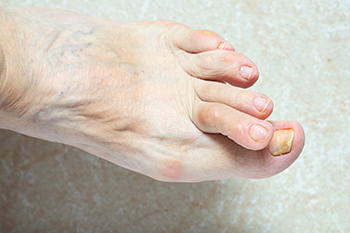
Hammertoe develops when one or more of the smaller toes remain bent instead of pointing forward normally. It usually affects the middle joint of the toe, creating a curled or raised appearance. The condition develops because the muscles and tendons that normally keep the toe straight become unbalanced. Hammertoe may be flexible at first, meaning the toe can still move. Over time, it can become more rigid and difficult to straighten. Shoes that are too tight or narrow can worsen the problem by forcing the toes into a bent position for long periods.
As hammertoe progresses, the bent toe may rub against the inside of a shoe and become irritated. Common symptoms include pain, redness, and swelling around the affected joint. Corns may form on top of the toe where it repeatedly rubs against footwear, while calluses can develop on the bottom of the foot from increased pressure. Some people may also have difficulty finding comfortable shoes or experience pain while walking. Certain foot structures can increase the likelihood of developing hammertoe. The condition may also occur along with other foot problems, including bunions.
A podiatrist can examine the affected toes and determine how flexible or rigid the hammertoe has become. The evaluation may include checking the foot for areas of tenderness and examining how the toes move. X-rays may also be used to examine the bones and joints. Treatment depends on the severity of the hammertoe and how much it affects walking or comfort. When the toe has become rigid, or symptoms are severe, surgery may be considered to correct the position of the toe. A podiatrist can determine which treatment approach is appropriate based on the individual foot structure and symptoms. If a bent toe is causing persistent pain or difficulty walking comfortably, it is suggested that you consult a podiatrist for an evaluation and appropriate treatment options.
Hammertoe
Hammertoes can be a painful condition to live with. For more information, contact one of our doctors from Texas. Our doctors will answer any of your foot- and ankle-related questions.
Hammertoe is a foot deformity that affects the joints of the second, third, fourth, or fifth toes of your feet. It is a painful foot condition in which these toes curl and arch up, which can often lead to pain when wearing footwear.
Symptoms
Causes
Genetics – People who are genetically predisposed to hammertoe are often more susceptible
Arthritis – Because arthritis affects the joints in your toes, further deformities stemming from arthritis can occur
Trauma – Direct trauma to the toes could potentially lead to hammertoe
Ill-fitting shoes – Undue pressure on the front of the toes from ill-fitting shoes can potentially lead to the development of hammertoe
Treatment
Orthotics – Custom made inserts can be used to help relieve pressure placed on the toes and therefore relieve some of the pain associated with it
Medications – Oral medications such as anti-inflammatories or NSAIDs could be used to treat the pain and inflammation hammertoes causes. Injections of corticosteroids are also sometimes used
Surgery – In more severe cases where the hammertoes have become more rigid, foot surgery is a potential option
If you have any questions, please feel free to contact our office located in Port Neches, TX . We offer the newest diagnostic and treatment technologies for all your foot care needs.

You don't need an excuse to have beautiful nails. Step outside without worrying about the appearance of your feet.
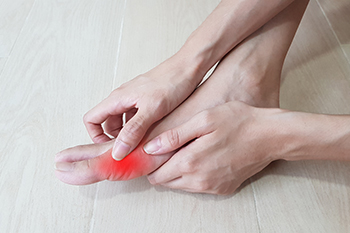
Gout is a form of inflammatory arthritis that can cause sudden, intense pain in the big toe joint. It develops when uric acid levels become too high and crystals form inside the joint. Gout often affects the big toe because this joint can be vulnerable to pressure. An attack may begin suddenly, sometimes during the night, and become extremely uncomfortable. Understanding gout symptoms and causes can help you recognize the condition, and seek relief.
A gout attack causes pain, swelling, and tenderness in the big toe. Even pressure from a shoe or bedsheet may feel uncomfortable. Walking can become difficult because placing weight on the affected foot may increase pain. High uric acid levels are the main cause of gout. The body produces uric acid when it breaks down purines. When uric acid builds up, crystals can collect around joints and trigger inflammation and stiffness.
Several factors can increase the risk of developing gout. Diets high in purine-rich foods may contribute to elevated uric acid levels. Obesity can increase risk and may affect how the body processes uric acid. Family history, kidney problems, and other health factors can play a role. Dehydration and excessive alcohol intake may contribute to attacks in people. Recognizing these risk factors can help you discuss prevention and daily choices with a podiatrist.
A podiatrist can evaluate the foot, review symptoms, and accurately diagnose gout. Treatment can include measures to reduce pain and swelling, along with recommendations for preventing episodes. A podiatrist may discuss footwear, activity changes, and when follow-up is needed for ongoing management. Managing contributing factors can help protect mobility and comfort. If you have gout symptoms, it is suggested that you are under the care of a podiatrist who can help you to manage this painful condition.
Gout is a foot condition that requires certain treatment and care. If you are seeking treatment, contact one of our doctors from Texas. Our doctors will treat your foot and ankle needs.
What Is Gout?
Gout is a type of arthritis caused by a buildup of uric acid in the bloodstream. It often develops in the foot, especially the big toe area, although it can manifest in other parts of the body as well. Gout can make walking and standing very painful and is especially common in diabetics and the obese.
People typically get gout because of a poor diet. Genetic predisposition is also a factor. The children of parents who have had gout frequently have a chance of developing it themselves.
Gout can easily be identified by redness and inflammation of the big toe and the surrounding areas of the foot. Other symptoms include extreme fatigue, joint pain, and running high fevers. Sometimes corticosteroid drugs can be prescribed to treat gout, but the best way to combat this disease is to get more exercise and eat a better diet.
If you have any questions, please feel free to contact our office located in Port Neches, TX . We offer the newest diagnostic and treatment technologies for all your foot care needs.




 accessibility - Default